
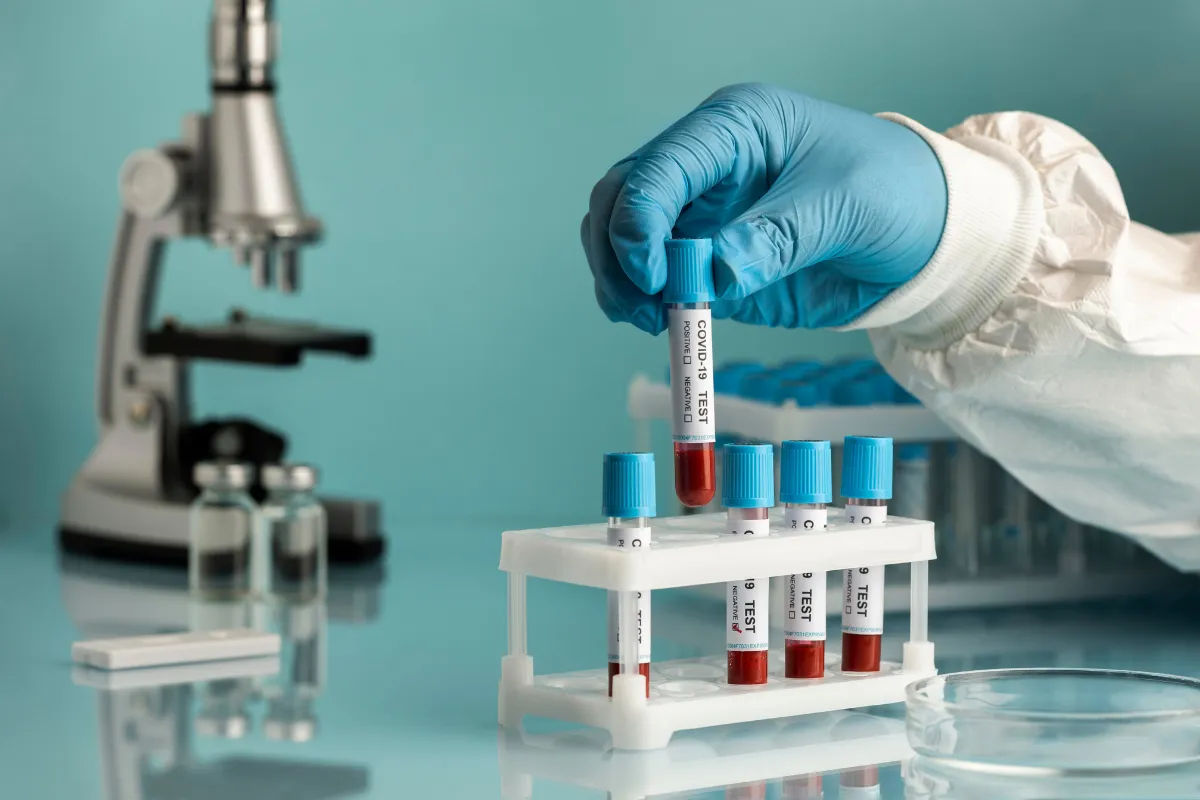
Interpreting Your Lab Results: A Guide for Patients in 77379 Have you ever felt confused staring at your lab results, wondering what all those numbers mean? It’s a common feeling! Understanding your lab results is a crucial part of managing your health, but it can be overwhelming. This guide is designed to help patients in the 77379 area understand their lab results better, so you can feel empowered and informed. Why Are Lab Results Important? Lab tests are vital tools that help your doctor assess your overall health, diagnose conditions, monitor treatments, and even prevent future health problems. They provide a snapshot of what’s happening inside your body. Understanding these results allows you to actively participate in your healthcare journey. Common Types of Lab Tests Here’s a quick overview of some commonly ordered lab tests: Complete Blood Count (CBC): Measures different components of your blood, such as red blood cells, white blood cells, and platelets. Comprehensive Metabolic Panel (CMP): Checks various substances in your blood, including glucose, electrolytes, kidney function, and liver function. Lipid Panel: Measures cholesterol and triglycerides in your blood to assess your risk of heart disease. Urinalysis: Analyzes your urine for signs of infection, kidney problems, or other conditions. Thyroid Stimulating Hormone (TSH): Evaluates thyroid function. Consider also Medical Screening for a comprehensive understanding of your health. Understanding Key Terms and Reference Ranges Here’s what to expect when you look at your lab results… Analyte: The specific substance or component being measured in the test. Reference Range: The expected normal values for a particular test, usually displayed on the lab report. Keep in mind that reference ranges can vary slightly depending on the lab. Units: The units of measurement used for the analyte (e.g., mg/dL, mmol/L). High/Low Flags: Indicators that a result is outside the reference range. Breaking Down Common Lab Results Complete Blood Count (CBC) Red Blood Cells (RBC): Carries oxygen throughout your body. Low RBC count can indicate anemia. White Blood Cells (WBC): Fights infection. High WBC count can indicate an infection or inflammation. Hemoglobin (Hgb): Protein in red blood cells that carries oxygen. Low hemoglobin can also indicate anemia. Platelets: Helps with blood clotting. Low platelets can increase the risk of bleeding. Comprehensive Metabolic Panel (CMP) Glucose: Measures blood sugar levels. High glucose can indicate diabetes. Electrolytes (Sodium, Potassium, Chloride): Essential for nerve and muscle function. Imbalances can cause various symptoms. Kidney Function (Creatinine, BUN): Assesses how well your kidneys are working. Elevated levels can indicate kidney disease. Liver Function (ALT, AST): Assesses liver health. Elevated levels can indicate liver damage. Lipid Panel Total Cholesterol: Overall measure of cholesterol in your blood. HDL Cholesterol (Good Cholesterol): Helps remove cholesterol from your arteries. LDL Cholesterol (Bad Cholesterol): Can build up in your arteries and increase the risk of heart disease. Triglycerides: Another type of fat in your blood that can increase heart disease risk. If you are concerned about your cholesterol, Dr. A Patient Care, located at 5523 Louetta Rd STE C, Spring, TX 77379, offers high cholesterol treatment options to help you manage your levels and protect your heart health. Example Lab Result Interpretation Let’s look at an example of how to interpret a lipid panel result: Test Your Result Reference Range Interpretation Total Cholesterol 220 mg/dL Less than 200 mg/dL High HDL Cholesterol 40 mg/dL 60 mg/dL or higher Low LDL Cholesterol 150 mg/dL Less than 100 mg/dL High Triglycerides 180 mg/dL Less than 150 mg/dL High In this example, the individual has high total cholesterol, high LDL cholesterol, high triglycerides, and low HDL cholesterol, indicating an increased risk of heart disease. It is important to discuss these results with your doctor for proper management. Remember to schedule your Wellness visit. Considering your options? We can help! Call us at 346-550-8220 or book a consultation to get started. When to Seek Further Medical Advice It’s crucial to consult your doctor if: You have abnormal lab results. You experience symptoms that concern you, even if your lab results are within the normal range. You have questions or concerns about your lab results. You have a chronic condition like Diabetes or Hypertension and need to have regular testing. Frequently Asked Questions (FAQs) What does it mean if my lab results are outside the reference range? Results outside the reference range don’t always indicate a serious problem. Factors like age, gender, diet, and medications can affect lab results. Your doctor will consider your individual circumstances when interpreting your results. Can I rely solely on lab results to diagnose myself? No, you should never self-diagnose based on lab results alone. Lab results are just one piece of the puzzle. Your doctor will consider your medical history, physical exam, and other factors to make an accurate diagnosis. Remember to get regular Preventive Screenings. How often should I get lab tests done? The frequency of lab tests depends on your age, health status, and risk factors. Your doctor will recommend the appropriate testing schedule for you. If you are managing a chronic condition like Chronic Disease more frequent testing may be needed. Understanding your lab results is an important step in managing your health. We hope this guide has helped you feel more confident in interpreting your lab results. If you live in the 77379 area and have any questions about your lab results, please don’t hesitate to contact us at Dr. A Patient Care for personalized guidance and support.
Categories
[all_categories_list]
Easy Online Appointment Booking
One Step Appointment
Booking
At Dr. A Patient Care, we make healthcare simple, accessible, and centered around you.
EXCELLENTTrustindex verifies that the original source of the review is Google. Best doctor in town!!Posted onTrustindex verifies that the original source of the review is Google. Great clinic and great location. Dr. Mihanad was great and professional and his diagnosis was excellent. Staff was great specially Afrah at the front desk she is very knowledgeable and she doesn’t let the patients wait for long.Posted onTrustindex verifies that the original source of the review is Google. Dr. Mohaned is an exceptional doctor who truly cares about his patients. From the moment I walked into the clinic, I felt welcomed and comfortable. He is kind, professional, patient, and takes the time to listen and explain everything clearly without rushing. The staff are also amazing – very friendly, helpful, and well organized. The clinic is clean, calm, and has a great atmosphere that makes you feel at ease.Posted onTrustindex verifies that the original source of the review is Google. I had a great experience. They were even open on Saturday to fit my schedule.Posted onTrustindex verifies that the original source of the review is Google. I highly recommend Dr. Muhaned to everyone! He is incredibly knowledgeable and an expert in his field. His personable demeanor and thorough explanations make every visit a positive experience. The office is always clean and runs smoothly which is a big plus. I’d also like to mention one of the medical assistant Afra she was exceptionally kind, professional, and had such a warm demeanor that made me feel at ease right away. Overall the entire team is friendly and dedicated to providing the best care Truly a five-star experiencePosted onTrustindex verifies that the original source of the review is Google. The staff was great, very helpful and welcoming and so was the Doctor. He was such a sweet man.We felt very comfortable with the visit. THANK YOU!
Insights