
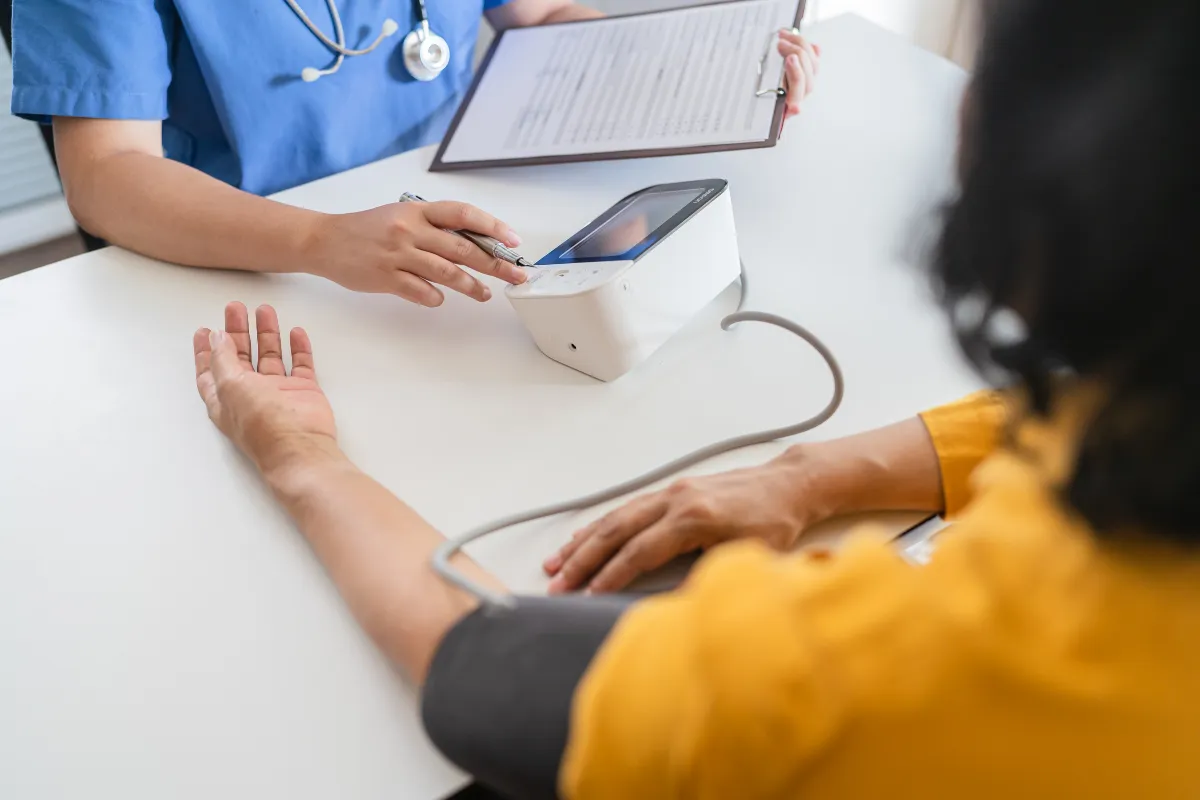
Understanding Your Blood Pressure Numbers: A Guide for Louetta Rd Residents Are you unsure about what your blood pressure numbers mean? It’s a common concern, especially with so much conflicting information available. High blood pressure, or hypertension, can lead to serious health problems, so understanding your readings is crucial for maintaining good health. This guide will help Louetta Rd residents understand their blood pressure numbers and take proactive steps for better health. What is Blood Pressure? Blood pressure is the force of your blood pushing against the walls of your arteries. It’s measured in millimeters of mercury (mmHg) and is written as two numbers: systolic (the top number) and diastolic (the bottom number). Getting regular blood pressure checks is the first step. Understanding the Numbers Let’s break down what each number represents: Systolic: The pressure when your heart beats (contracts). Diastolic: The pressure when your heart rests between beats. Both numbers are important in determining your blood pressure category. Understanding what these values mean is key to managing your health. See us for annual physicals. Blood Pressure Categories Blood pressure categories help determine if your blood pressure is normal, elevated, or high. Here’s a quick overview: Normal: Less than 120/80 mmHg Elevated: Systolic between 120-129 and diastolic less than 80 High Blood Pressure (Hypertension) Stage 1: Systolic between 130-139 or diastolic between 80-89 High Blood Pressure (Hypertension) Stage 2: Systolic 140 or higher or diastolic 90 or higher Hypertensive Crisis: Systolic higher than 180 and/or diastolic higher than 120 (requires immediate medical attention) Factors Affecting Blood Pressure Many factors can influence your blood pressure, including: Age: Blood pressure tends to increase with age. Diet: High sodium intake can raise blood pressure. Stress: Stress can temporarily increase blood pressure. Weight: Being overweight or obese can increase blood pressure. Activity Level: Lack of physical activity can contribute to high blood pressure. Family History: A family history of hypertension increases your risk. Managing High Blood Pressure Managing high blood pressure often involves lifestyle changes and, in some cases, medication. Here are some strategies: Dietary Changes: Reduce sodium intake, eat a balanced diet rich in fruits, vegetables, and whole grains, consider the DASH diet. Regular Exercise: Aim for at least 30 minutes of moderate-intensity exercise most days of the week. Weight Management: Losing even a small amount of weight can lower blood pressure. Stress Management: Practice relaxation techniques like meditation or yoga. Medication: If lifestyle changes aren’t enough, your doctor may prescribe medication to lower your blood pressure. We can discuss chronic disease management options. Regular Monitoring: Keep track of your blood pressure readings at home and share them with your doctor. Considering your options? We can help! Call us at 346-550-8220 or book a consultation to get started. Blood Pressure Medications: A Quick Comparison There are several types of medications used to treat high blood pressure. Here’s a brief comparison: Medication Type How it Works Common Side Effects Diuretics Help the kidneys remove excess sodium and water from the body. Frequent urination, dehydration, low potassium. ACE Inhibitors Block the production of a hormone that narrows blood vessels. Dry cough, fatigue, dizziness. Beta Blockers Slow down the heart rate and reduce the force of heart contractions. Fatigue, cold hands and feet, dizziness. Calcium Channel Blockers Relax and widen blood vessels. Headache, dizziness, swelling in the ankles. FAQs About Blood Pressure What is considered a dangerous blood pressure reading? A hypertensive crisis, with a systolic reading above 180 mmHg and/or a diastolic reading above 120 mmHg, is considered dangerous and requires immediate medical attention. How often should I get my blood pressure checked? If your blood pressure is normal, you should get it checked at least every two years. If you have risk factors for high blood pressure, you may need to check it more often, as advised by your doctor. Regular preventive screenings are essential. Can I lower my blood pressure without medication? Yes, lifestyle changes such as diet, exercise, weight management, and stress reduction can significantly lower blood pressure. For personalized guidance, visit us at 5523 Louetta Rd STE C, Spring, TX 77379,. What is the DASH diet? The DASH (Dietary Approaches to Stop Hypertension) diet is a eating plan that is low in sodium, saturated fat, and cholesterol, and rich in fruits, vegetables, and low-fat dairy products. It is a great option to incorporate to assist with hypertension management. Is high blood pressure hereditary? While high blood pressure is not directly inherited, your genes can influence your risk. Having a family history of hypertension increases your chances of developing it. Understanding your blood pressure is a crucial aspect of your overall health. If you’re a resident of the Louetta Rd area, Dr. A Patient Care is here to help you manage your blood pressure and maintain a healthy lifestyle. We offer comprehensive care, including lab testing and personalized treatment plans. By taking proactive steps to monitor and manage your blood pressure, you can significantly reduce your risk of heart disease and other serious health problems. So, remember to prioritize your health and understand your blood pressure numbers for a better, healthier life.
Categories
[all_categories_list]
Easy Online Appointment Booking
One Step Appointment
Booking
At Dr. A Patient Care, we make healthcare simple, accessible, and centered around you.
EXCELLENTTrustindex verifies that the original source of the review is Google. Best doctor in town!!Posted onTrustindex verifies that the original source of the review is Google. Great clinic and great location. Dr. Mihanad was great and professional and his diagnosis was excellent. Staff was great specially Afrah at the front desk she is very knowledgeable and she doesn’t let the patients wait for long.Posted onTrustindex verifies that the original source of the review is Google. Dr. Mohaned is an exceptional doctor who truly cares about his patients. From the moment I walked into the clinic, I felt welcomed and comfortable. He is kind, professional, patient, and takes the time to listen and explain everything clearly without rushing. The staff are also amazing – very friendly, helpful, and well organized. The clinic is clean, calm, and has a great atmosphere that makes you feel at ease.Posted onTrustindex verifies that the original source of the review is Google. I had a great experience. They were even open on Saturday to fit my schedule.Posted onTrustindex verifies that the original source of the review is Google. I highly recommend Dr. Muhaned to everyone! He is incredibly knowledgeable and an expert in his field. His personable demeanor and thorough explanations make every visit a positive experience. The office is always clean and runs smoothly which is a big plus. I’d also like to mention one of the medical assistant Afra she was exceptionally kind, professional, and had such a warm demeanor that made me feel at ease right away. Overall the entire team is friendly and dedicated to providing the best care Truly a five-star experiencePosted onTrustindex verifies that the original source of the review is Google. The staff was great, very helpful and welcoming and so was the Doctor. He was such a sweet man.We felt very comfortable with the visit. THANK YOU!
Insights