
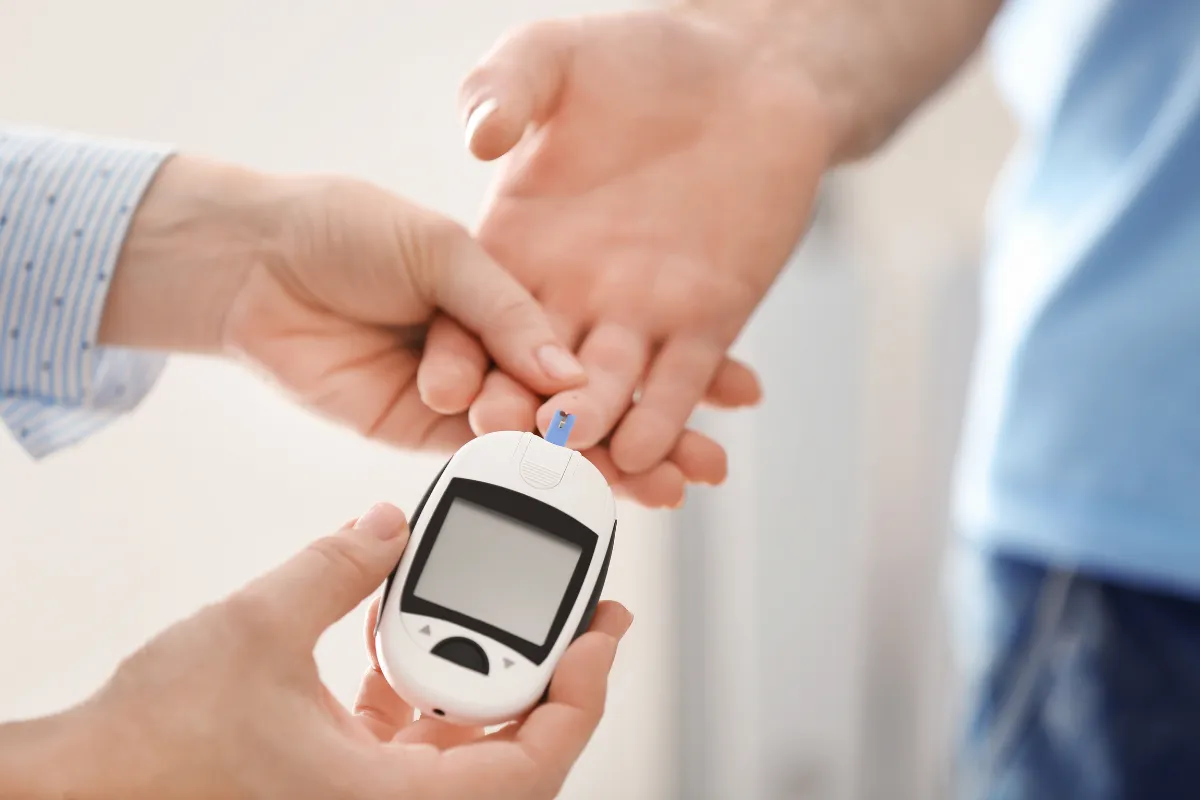
Understanding Your Diabetes Risk Factors: A Guide for Spring Residents Are you a resident of Spring, TX, concerned about your risk for developing diabetes? It’s a common worry, especially with the rising rates of diabetes across the country. Many people are unaware of the factors that can increase their chances of developing this chronic condition. We’re here to help you understand those risk factors and take proactive steps to protect your health. What is Diabetes? Diabetes is a chronic metabolic disorder characterized by elevated blood sugar levels. This can happen because the body doesn’t produce enough insulin, or because cells don’t respond properly to the insulin that is produced. Over time, high blood sugar can lead to serious health problems, such as heart disease, kidney disease, and nerve damage. Managing your blood sugar is important, and we offer specialized diabetes care in Spring. Key Diabetes Risk Factors Several factors can increase your risk of developing diabetes. Knowing these risk factors is the first step in prevention. Let’s break it down: Family History: Having a parent, sibling, or other close relative with diabetes increases your risk. Age: The risk of developing diabetes increases as you get older, especially after age 45. Weight: Being overweight or obese is a major risk factor. Excess weight, especially around the abdomen, can lead to insulin resistance. Consider our weight loss management program. Physical Inactivity: A sedentary lifestyle increases your risk. Regular physical activity helps your body use insulin more effectively. Race/Ethnicity: Certain racial and ethnic groups, including African Americans, Hispanic Americans, American Indians, Asian Americans, and Pacific Islanders, are at higher risk. Prediabetes: Prediabetes is a condition in which blood sugar levels are higher than normal but not high enough to be diagnosed as diabetes. Many people with prediabetes develop type 2 diabetes within 5 years. Gestational Diabetes: Having gestational diabetes (diabetes during pregnancy) increases your risk of developing type 2 diabetes later in life. Polycystic Ovary Syndrome (PCOS): Women with PCOS have an increased risk of developing diabetes. High Blood Pressure: Also known as hypertension, may be managed through our hypertension management program. Abnormal Cholesterol Levels: Having high levels of LDL (“bad”) cholesterol and low levels of HDL (“good”) cholesterol increases your risk. We also have high cholesterol treatment options available. Understanding Prediabetes Prediabetes is a serious condition, but it’s also a chance to take control of your health. With lifestyle changes, you can prevent or delay the onset of type 2 diabetes. Get Tested: If you have any risk factors, talk to your doctor about getting your blood sugar levels checked. Our clinic offers lab testing for accurate results. Make Lifestyle Changes: Focus on eating a healthy diet, getting regular physical activity, and maintaining a healthy weight. Diabetes Symptoms It’s important to be aware of the common symptoms of diabetes. Early detection can help prevent serious complications. Frequent urination, especially at night Excessive thirst Unexplained weight loss Increased hunger Blurred vision Slow-healing sores Frequent infections Numbness or tingling in the hands or feet Fatigue Diabetes Risk Factors: A Comparison Here’s a simple table comparing some of the major risk factors. Risk Factor Description Impact Family History Having a close relative with diabetes Increases your risk significantly Age Being over 45 years old Risk increases with age Weight Being overweight or obese Major risk factor; leads to insulin resistance Physical Inactivity A sedentary lifestyle Reduces insulin sensitivity How to Reduce Your Risk While you can’t change some risk factors, like family history, there are many things you can do to lower your risk of developing diabetes. Maintain a Healthy Weight: Even losing a small amount of weight can make a big difference. Eat a Healthy Diet: Focus on fruits, vegetables, whole grains, and lean protein. Limit sugary drinks and processed foods. Get Regular Physical Activity: Aim for at least 30 minutes of moderate-intensity exercise most days of the week. Quit Smoking: If you smoke, quitting can improve your overall health and reduce your risk of diabetes. We offer resources and support with smoking cessation. Manage Stress: Chronic stress can raise blood sugar levels. Find healthy ways to manage stress, such as exercise, yoga, or meditation. Also consider mental health support if needed. Get Regular Checkups: See your doctor regularly for checkups and screenings. Our annual physicals can help identify risk factors early. Considering your options? We can help! Call us at 346-550-8220 or book a consultation to get started. FAQs About Diabetes Risk Factors What is the A1C test? The A1C test measures your average blood sugar level over the past 2-3 months. It’s a common test used to diagnose prediabetes and diabetes. How often should I get screened for diabetes? The American Diabetes Association recommends that adults over age 45 be screened for diabetes every 3 years. If you have risk factors, you may need to be screened more often. Can diabetes be cured? There is currently no cure for diabetes, but it can be managed with lifestyle changes and medication. With proper care, people with diabetes can live long and healthy lives. Where can I find a doctor near me in Spring, TX to discuss my risk factors? Dr. A Patient Care is conveniently located at 5523 Louetta Rd STE C, Spring, TX 77379, and we serve the Spring community. We offer comprehensive diabetes risk assessments and personalized prevention plans. You can contact us to schedule an appointment and discuss your concerns. Understanding your individual diabetes risk factors is the first step toward taking control of your health. By making informed lifestyle choices and working with your healthcare provider at Dr. A Patient Care, you can significantly reduce your risk and live a healthier life. Remember, proactive management and awareness of your risk can make all the difference in preventing or delaying the onset of diabetes. This guide for Spring residents provides a strong foundation for understanding your diabetes risk factors.
Categories
[all_categories_list]
Easy Online Appointment Booking
One Step Appointment
Booking
At Dr. A Patient Care, we make healthcare simple, accessible, and centered around you.
EXCELLENTTrustindex verifies that the original source of the review is Google. Best doctor in town!!Posted onTrustindex verifies that the original source of the review is Google. Great clinic and great location. Dr. Mihanad was great and professional and his diagnosis was excellent. Staff was great specially Afrah at the front desk she is very knowledgeable and she doesn’t let the patients wait for long.Posted onTrustindex verifies that the original source of the review is Google. Dr. Mohaned is an exceptional doctor who truly cares about his patients. From the moment I walked into the clinic, I felt welcomed and comfortable. He is kind, professional, patient, and takes the time to listen and explain everything clearly without rushing. The staff are also amazing – very friendly, helpful, and well organized. The clinic is clean, calm, and has a great atmosphere that makes you feel at ease.Posted onTrustindex verifies that the original source of the review is Google. I had a great experience. They were even open on Saturday to fit my schedule.Posted onTrustindex verifies that the original source of the review is Google. I highly recommend Dr. Muhaned to everyone! He is incredibly knowledgeable and an expert in his field. His personable demeanor and thorough explanations make every visit a positive experience. The office is always clean and runs smoothly which is a big plus. I’d also like to mention one of the medical assistant Afra she was exceptionally kind, professional, and had such a warm demeanor that made me feel at ease right away. Overall the entire team is friendly and dedicated to providing the best care Truly a five-star experiencePosted onTrustindex verifies that the original source of the review is Google. The staff was great, very helpful and welcoming and so was the Doctor. He was such a sweet man.We felt very comfortable with the visit. THANK YOU!
Insights